Key Takeaways
- Ask what the quote actually includes before comparing prices, because setup, travel, staffing and rentals are often billed as add-ons.
- Confirm the caterer brings commercial espresso equipment and experienced baristas, not a home machine and a volunteer.
- Nail down power and space needs early: commercial espresso machines draw heavy amperage and can trip a standard circuit.
- Food safety rules apply to hot and cold service; the FDA Food Code sets holding temperatures caterers must meet.
- Get the backup plan, deposit amount and cancellation window in writing before you sign anything.
The questions to ask a coffee caterer before you book come down to money, equipment, logistics and contract terms. Ask what the quote actually covers, whether the baristas and machines are commercial grade, and what happens if the weather or timeline shifts. The right questions protect your budget and your event, and they separate a polished espresso service from a card table with a drip pot.
Coffee service has become a genuine draw at events, not an afterthought. In 2026, the National Coffee Association reported that 47% of American adults had an espresso-based drink in the past week, up 17.5% since 2022 (National Coffee Association, National Coffee Data Trends, June 2026). Guests now expect real lattes and cappuccinos, which means booking coffee catering deserves the same scrutiny you give your food caterer. Below are the questions to ask a coffee caterer, grouped by what tends to go wrong.
What Does the Quote Include, and What Costs Extra?
Start here, because a low number on paper can hide the most fees. Ask the caterer to itemize what the price covers: setup and breakdown, travel to your venue, the number of staffed hours, milk and cups, and any rental equipment. Two quotes that look far apart often cover the same thing once you compare line by line.
Common add-ons that catch planners off guard include overtime past a set number of hours, travel surcharges for venues outside a service radius, and fees for premium milk alternatives. Ask whether the headcount is capped and what happens if more guests show up than expected.

A clear quote also tells you how the caterer thinks. A company that spells out inclusions, like Aroma Espresso does when it scopes a South Florida wedding or conference, is usually easier to work with on the day of the event. Ask for the total you will actually pay, including gratuity and tax, so there are no surprises on the final invoice.
Is the Equipment Commercial Grade, and How Experienced Are the Baristas?
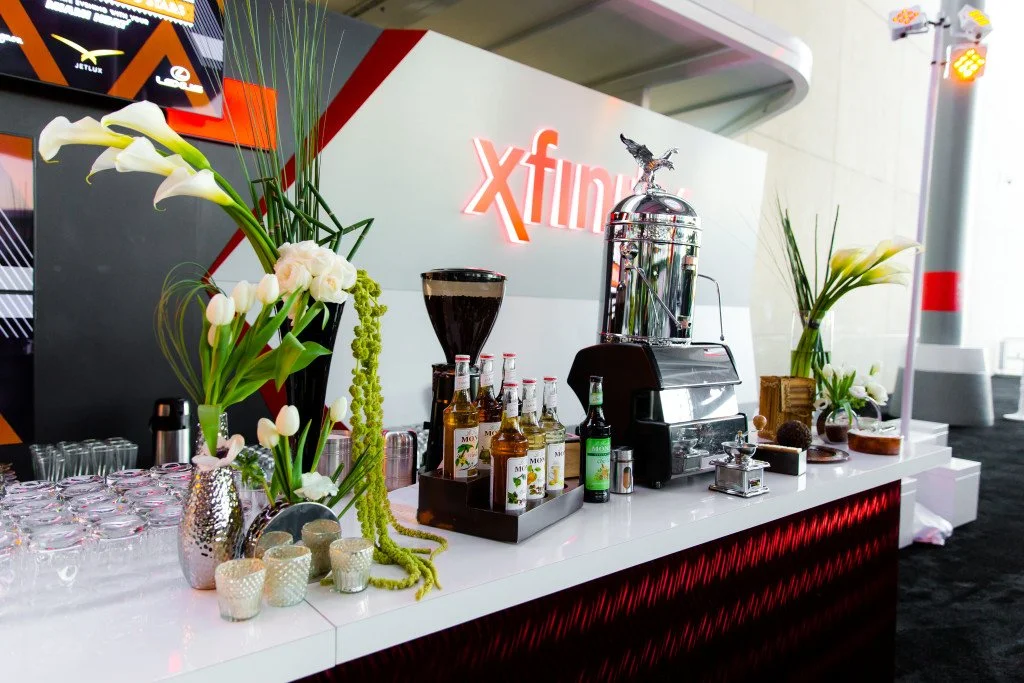
Equipment and staff decide whether your line moves or stalls. A commercial espresso machine can pull drinks fast enough to serve a crowd, while a home machine needs long recovery time between shots and will create a bottleneck at 150 guests. Ask what machines the caterer uses and how many drinks per hour they can realistically produce.
Barista experience matters just as much. Ask how long the staff have worked espresso service, whether they have run events of your size, and how many baristas will staff your bar. A single barista can handle a small reception, but a conference rush usually needs two or more to keep wait times short.
Request photos or video of a real setup, not stock images. Ask for references from similar events, and check whether the caterer carries liability insurance, which many venues require before they let a vendor on site. Demand is high, so expect most of your guests to visit the coffee bar at least once.
What Are the Space, Power, and Setup Requirements?
Confirm this before you sign, because a machine that cannot plug in is useless. Commercial espresso equipment draws heavy current. A single-group machine often needs a dedicated 20-amp circuit, and larger dual-group machines may require a 220-volt line, the same kind an electric dryer uses. Ask the caterer for exact amperage and voltage, then verify your venue can supply it.
Power is a safety issue, not just a logistics one. Overloading a circuit can trip breakers or create a fire hazard, which is why workplace electrical safety guidance stresses not exceeding a circuit's rated load (U.S. Occupational Safety and Health Administration, electrical safety). If your venue is outdoors or in an older building, ask whether the caterer brings a generator and whether that cost is included.
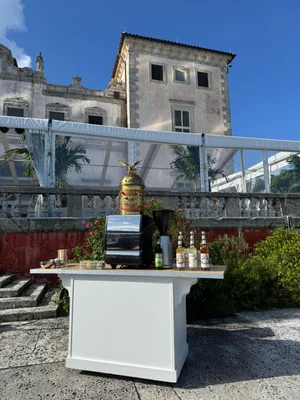
Space and water round out the checklist. Ask how much square footage the bar needs, whether a table is provided or expected, and if the machine requires a water hookup or if the caterer brings its own supply. Share your floor plan early so the coffee bar lands somewhere guests can reach without crossing the dance floor.
Can the Menu Flex for Tastes and Dietary Needs?
Yes, most caterers can flex, but you need to confirm the details. Ask which drinks are on the standard menu, which milk alternatives are available, and whether oat, almond, soy and lactose-free options cost extra. With specialty coffee at a record high in 2026 and most adults drinking coffee daily, guests arrive with specific preferences.
Think about the guests who do not drink coffee. Ask whether the caterer offers tea, hot chocolate, decaf, or cold options for warm South Florida afternoons. A good coffee caterer will tailor the menu to your crowd, whether that is a late-night wedding espresso bar or an early conference fueled by cold brew.
Food safety belongs in this conversation. Because baristas handle milk and hot liquids, ask about food handler certification and how they hold product at safe temperatures. The FDA Food Code sets the model rules that state and local regulators adopt for holding hot and cold items safely (U.S. Food and Drug Administration, FDA Food Code). A caterer who answers this confidently has done it before.
What Happens If the Weather or Timeline Changes?
Ask for the backup plan in plain terms, because outdoor events in South Florida live with heat and sudden rain. Find out whether the caterer provides a tent or covering, how the equipment is protected from moisture, and what the plan is if a storm forces the bar indoors. A vendor who has worked local weddings will have answers ready.
Timing flexibility is the other half. Ceremonies run late, keynote sessions overrun, and cocktail hours stretch. Ask how the caterer handles a shifted start time, whether staff can stay longer, and what overtime costs. Clarify the arrival window so setup finishes before guests arrive, not during the first toast.
What Are the Contract, Deposit, and Cancellation Terms?
Read these terms before anything else gets signed. Ask the size of the deposit, when the balance is due, and what the cancellation and refund policy looks like if your plans change. Popular dates book out months ahead, so understand the deadline for locking in your date and finalizing headcount.
Get the key details in writing: the service hours, the number of baristas, the menu, the total cost, and the backup plan. A clear contract protects both sides and gives you something concrete to point to if a question comes up later. If a caterer resists putting terms in writing, treat that as a warning.
Turning These Questions to Ask a Coffee Caterer Into a Decision
Pick three or four questions from this list that matter most for your event, then send them to the caterers on your shortlist in a single email. The speed and clarity of their replies will tell you as much as the answers themselves. When you are ready to compare real quotes for a South Florida wedding, conference or corporate event, reach out to Aroma Espresso with your date, guest count and venue so the numbers you get back are complete and honest.
Frequently asked questions
What is the most important question to ask a coffee caterer?
Ask exactly what the quote includes. Setup, breakdown, travel, staffing hours, milk, cups and rental equipment are frequently billed separately, so two quotes that look different may actually cover the same service.
How much power does a mobile espresso bar need?
Commercial espresso machines often need a dedicated 20-amp or higher circuit, and dual-group machines may require 220 volts. Always confirm the caterer's power requirements against what your venue can supply.
Should a coffee caterer be food-safety certified?
Yes. Because they handle milk and hot beverages, ask about food handler certification and how they hold product at safe temperatures. The FDA Food Code sets the model holding rules that most state and local health departments adopt.
How far in advance should I book coffee catering?
Book popular dates several months out, especially for weddings and peak conference season. Ask about the deposit, the final headcount deadline and the cancellation window before you reserve.
Can a coffee caterer handle dietary restrictions?
Most can offer oat, almond, soy and lactose-free milk, plus decaf and non-coffee options like tea or hot chocolate. Confirm these are included rather than upcharged, and share your guest needs early.