Key Takeaways
- Black coffee allows you to appreciate the natural flavors, aromas, and characteristics of coffee beans without milk, cream, or added sugar.
- Espresso, Americano, filter coffee, and cold brew are different ways to enjoy black coffee, each offering a distinct flavor and texture.
- Bitterness is not an inevitable characteristic of black coffee. The right grind size, water temperature, and brewing technique can produce a smooth, balanced cup.
- Freshly ground coffee, quality water, and consistent brewing ratios are among the simplest ways to improve your daily coffee.
- Learning to appreciate black coffee is a sensory experience that begins with understanding what is already present in the cup.
Black Friday is usually associated with shopping, special offers, and the beginning of the holiday shopping season. But this year, we thought we would celebrate it a little differently: by exploring the beauty of black coffee.
There is something satisfying about a freshly brewed cup of coffee without anything added. No syrups, no milk, and no sugar. Just coffee, water, and the flavors that emerge when the two come together.
At Aroma Espresso, we enjoy preparing everything from creamy cappuccinos to refreshing iced lattes, but black coffee holds a special place in the coffee experience. It gives us an opportunity to appreciate the beans, understand different brewing methods, and discover flavors that might otherwise go unnoticed.
Whether you are already a black coffee enthusiast or someone who cannot imagine drinking coffee without sugar, this guide will help you discover a different side of your daily cup.
What Exactly Is Black Coffee?
Black coffee is coffee served without milk, cream, sugar, or other added ingredients. Although the definition is simple, the possibilities are surprisingly diverse.
A small Italian espresso, a freshly brewed pour-over, an Americano, and a glass of unsweetened cold brew all belong to the same family of beverages. What makes them different is how the coffee is extracted, the proportion of water used, and the resulting flavor and texture.
Drinking coffee black allows you to appreciate several characteristics more directly:
Aroma: the fragrance released by freshly ground and brewed coffee.
Acidity: the brightness and liveliness that coffee can bring to the palate.
Body: how light, smooth, or full the coffee feels in your mouth.
Sweetness: naturally perceived flavors that may resemble caramel, honey, or ripe fruit.
Aftertaste: the flavors that remain after taking a sip.
Black coffee does not have to be overwhelmingly strong or bitter. A well-prepared cup can be delicate, complex, naturally sweet, and remarkably smooth.
Understanding the Natural Flavors of Coffee
One of the most interesting things about drinking coffee without added ingredients is discovering how different two cups can taste.
Coffee may have flavor notes reminiscent of chocolate, citrus, toasted nuts, caramel, berries, or flowers. These characteristics can be influenced by the coffee variety, growing conditions, processing method, roasting profile, and preparation technique.
The World Coffee Research Sensory Lexicon, updated in 2017, identifies 110 sensory attributes associated with coffee, covering flavor, aroma, and texture. It provides a scientific framework for understanding the remarkable diversity found in a cup of coffee.
How Roast Levels Influence Your Coffee
The roast level is a helpful starting point when choosing coffee to drink black.
Roast level | Common flavor characteristics | Ideal for those who enjoy |
|---|---|---|
Light roast | Floral, fruity, bright, and sometimes citrus-like | Delicate and complex flavors |
Medium roast | Caramel, chocolate, nuts, and balanced acidity | Smooth, approachable coffee |
Medium-dark roast | Dark chocolate, toasted nuts, and pronounced body | Rich and full-bodied coffee |
Dark roast | Smoky, roasted, and more pronounced bitterness | Bold and intense flavors |
These descriptions are general tendencies rather than fixed rules. The origin and quality of the beans also play an important role.
If you are just beginning to drink black coffee, a medium roast with chocolate or caramel characteristics can be an approachable place to start.
Espresso, Americano, Filter Coffee, and Cold Brew: What Is the Difference?
There is no single correct way to enjoy black coffee. Different preparation methods bring out different characteristics, even when using the same beans.
| Coffee type | Preparation method | Flavor profile | Body |
|---|---|---|---|
| Espresso | Hot water forced through finely ground coffee under pressure | Concentrated and complex | Full |
| Americano | Espresso diluted with hot water | Balanced and espresso-forward | Light to medium |
| Pour-over | Hot water poured gradually over ground coffee through a filter | Clean and aromatic | Light to medium |
| French press | Ground coffee steeped in hot water | Rich and rounded | Full |
| Moka pot | Heated water passes through ground coffee using steam pressure | Bold and concentrated | Medium to full |
| Cold brew | Coffee steeped in cool water over an extended period | Smooth and refreshing | Medium |
Espresso: Small Cup, Big Character
Espresso offers a concentrated coffee experience in just a few sips. Its intensity, texture, and lingering aftertaste make it an excellent way to explore the characteristics of a coffee blend.
Rather than drinking it immediately, take a moment to appreciate its aroma and allow it to cool slightly before tasting.
Americano: A More Relaxed Coffee Experience
An Americano combines espresso with hot water, creating a larger beverage while retaining the characteristics of the original espresso.
It is a particularly approachable option for people transitioning from milk-based coffee drinks to black coffee.
Filter Coffee: Discovering the Details
Pour-over and drip coffee can highlight delicate flavors and aromas that may be less noticeable in more concentrated preparations.
For anyone interested in exploring different coffee origins and roast profiles, filter coffee offers an enjoyable starting point.
Cold Brew: A South Florida Favorite
Here in South Florida, a refreshing glass of black coffee can be just as appealing as a hot espresso.
Cold brew often presents a different sensory profile from hot-brewed coffee. Research discussed by the Specialty Coffee Association in 2026 suggests that brewing temperature can influence perceived acidity and sweetness, although the coffee beans themselves remain an important factor.
Served over ice without milk or sweeteners, cold brew is an enjoyable alternative for warm afternoons and outdoor gatherings.
You can explore several of these beverages in our Aroma Espresso Coffee Menu.
How to Make Black Coffee Taste Better Without Sugar
Many people associate black coffee with bitterness because their previous experiences have involved overly roasted beans, inconsistent brewing, or coffee that has been sitting for too long.
Before reaching for the sugar, try improving these five aspects of your preparation.
1. Start with Fresh Coffee Beans
Whenever possible, purchase whole beans and grind only the amount you need shortly before brewing.
Store your coffee in an airtight container, away from direct sunlight, excessive heat, and moisture.
Freshly ground coffee helps preserve the aromatic qualities that make drinking coffee black so enjoyable.
2. Use the Right Grind Size
Different brewing methods require different grind sizes.
| Brewing method | Recommended starting grind size |
|---|---|
| Espresso | Fine |
| Moka pot | Medium-fine |
| Pour-over | Medium to medium-fine |
| Drip coffee maker | Medium |
| French press | Medium-coarse to coarse |
| Cold brew | Coarse |
Grinding too finely can contribute to excessive extraction or restrict water flow, while grinding too coarsely may produce a weak or under-extracted cup.
Make small adjustments until you find a balance that suits your taste.
3. Pay Attention to Water Temperature
For conventional hot-brewed filter coffee, a water temperature between approximately 195°F and 205°F (90°C and 96°C) is a useful starting point.
However, temperature is only one part of the equation.
Research published by the Specialty Coffee Association on brewing temperature and sensory profiles highlights the importance of considering water temperature alongside grind size, brewing time, and extraction.
Try slightly cooler water when brewing darker roasts, particularly if you find the resulting coffee unpleasantly bitter.
4. Measure Your Coffee and Water
Consistency makes it easier to understand what works and what does not.
A practical starting ratio for filter coffee is approximately 1 gram of coffee for every 16 grams of water.
| Water | Ground coffee |
|---|---|
| 250 ml | 15.6 g |
| 500 ml | 31.3 g |
| 750 ml | 46.9 g |
| 1 liter | 62.5 g |
This ratio is a starting recommendation, not a universal requirement. Adjust it according to your brewing method and personal preference.
A small digital kitchen scale can be one of the most useful accessories for improving your coffee at home.
5. Use Good-Quality Water
Water is the main ingredient in brewed coffee, yet it is often overlooked.
If your tap water has a strong chlorine taste or noticeable odors, try filtered drinking water instead.
The Specialty Coffee Association's guide to water and coffee acidity explains how water chemistry can influence extraction and the perception of acidity.
Sometimes, improving your coffee begins with improving your water.
Why Does Your Black Coffee Taste Bitter?
Understanding what went wrong with a cup of coffee is one of the most valuable skills you can develop at home.
The following troubleshooting guide can help you identify common problems and possible solutions.
| Problem | Possible cause | What to try |
|---|---|---|
| Excessively bitter | Over-extraction or very dark roast | Use a coarser grind or try a lighter roast |
| Sour or sharp | Under-extraction | Try a finer grind or longer brewing time |
| Weak and watery | Insufficient coffee | Increase the amount of ground coffee |
| Too strong | High coffee concentration | Add a little hot water or adjust the brewing ratio |
| Burnt or harsh | Dark roasting or prolonged heating after brewing | Try a medium roast and serve freshly brewed |
| Flat aroma | Stale beans or unsuitable storage | Use fresher coffee and an airtight container |
| Unpleasant aftertaste | Water quality or dirty equipment | Use filtered water and clean your equipment |
These are possible explanations rather than definitive diagnoses. Several factors can contribute to the same flavor problem.
The most useful approach is to change only one variable at a time. This makes it easier to understand how each adjustment affects your cup.
A Mini Masterclass: How to Taste Coffee Like a Barista
You do not need professional training or expensive equipment to begin appreciating coffee more thoughtfully.
The next time you prepare a cup of black coffee, try this simple five-step tasting exercise.
Step 1: Observe
Look at the coffee's color and appearance. If you are drinking espresso, notice the crema on the surface.
Remember that appearance alone does not determine coffee quality.
Step 2: Smell
Bring the cup close and take a moment to appreciate its aroma.
Does it remind you of chocolate, toasted nuts, fruit, spices, or caramel?
There is no need to identify every characteristic. Start with familiar scents.
Step 3: Take a Small Sip
Allow the coffee to move naturally across your palate.
Notice whether it tastes bright, sweet, bitter, or balanced. Pay attention to how light or full it feels in your mouth.
Step 4: Let the Coffee Cool
Taste it again after a few minutes.
As the temperature changes, certain flavors and aromas may become easier to identify. A coffee that initially tastes intense may reveal more delicate characteristics as it cools.
Step 5: Appreciate the Aftertaste
After swallowing, notice which flavors remain.
A pleasant aftertaste might remind you of cocoa, toasted almonds, caramel, or fruit.
Repeat this exercise with different beans or brewing methods. Over time, you will begin to recognize your own preferences and understand what makes a particular coffee enjoyable to you.
For an additional sensory experience, try pairing your black coffee with dark chocolate, toasted nuts, or a favorite dessert.
You Don't Need Expensive Equipment to Enjoy Better Coffee
With Black Friday bringing countless offers on coffee machines, grinders, and accessories, it can be tempting to believe that better coffee always requires more expensive equipment.
In reality, you can prepare an enjoyable cup of black coffee with a relatively simple setup.
If you are considering upgrading your home coffee experience, prioritize these essentials:
Good-quality whole coffee beans.
A reliable burr grinder.
A digital kitchen scale.
A brewing device that suits your lifestyle.
Fresh, good-quality drinking water.
An airtight coffee storage container.
A moka pot, French press, or simple pour-over brewer can produce excellent coffee when used correctly.
Before buying another coffee accessory, spend some time understanding the equipment you already own. Improving your technique may make a bigger difference than purchasing a new machine.
The Social Side of Black Coffee in South Florida
Coffee has a way of bringing people together, and that is especially noticeable across South Florida.
From the espresso traditions found in Miami and Coral Gables to relaxed coffee gatherings in Coconut Grove, Fort Lauderdale, and Palm Beach, a simple cup of coffee can become part of a much larger social experience.
South Florida's Cuban coffee culture also illustrates how a small serving of concentrated coffee can encourage conversation and connection. Traditional Cuban cafecito contains sugar, but enjoying an unsweetened espresso is another way to explore the character of concentrated coffee.
At Aroma Espresso, we appreciate these different traditions and the personal preferences behind them. Some guests enjoy a classic espresso, others prefer an Americano, and many choose a refreshing cold brew.
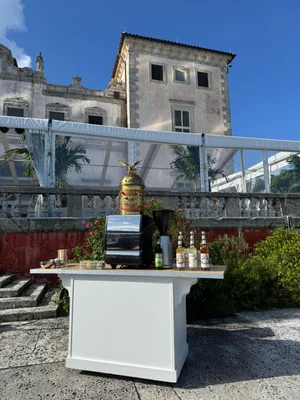
Our mobile coffee experiences bring these choices together, allowing guests to discover and enjoy coffee in their own way.
Whether you are hosting a family gathering, organizing a corporate event, or simply sharing coffee with friends, offering a thoughtfully prepared black coffee can be a small but meaningful gesture of hospitality.
Beyond Black Friday: Rediscovering Your Daily Cup
Black Friday may only come once a year, but enjoying better coffee is something you can practice every day.
You do not need to give up your favorite latte, cappuccino, or sweetened coffee. Appreciating black coffee is simply another way to explore what this remarkable beverage has to offer.
Try a different roast. Experiment with your brewing ratio. Discover a new preparation method. Take a few moments to enjoy the aroma before taking your first sip.
At Aroma Espresso, we believe that some of the best coffee experiences begin with curiosity and attention to the little details.
This Black Friday, instead of focusing only on what you can buy, take a moment to appreciate what you can discover in a simple cup of coffee.
Frequently asked questions
What exactly is black coffee?
Black coffee is coffee served without milk, cream, sugar, or other added ingredients. Espresso, Americano, filter coffee, and unsweetened cold brew are all examples of black coffee prepared using different methods.
What is the best coffee roast for drinking black?
Medium-roast coffee is often an approachable option because it can offer a balance of sweetness, acidity, and body. Light roasts may appeal to those who enjoy fruity or floral flavors, while darker roasts can suit people who prefer stronger roasted characteristics.
How can I make black coffee taste better without sugar?
Use fresh coffee beans, choose the appropriate grind size, measure your coffee and water, and avoid excessive extraction. Experimenting with different coffee origins and roast levels can also help you discover naturally pleasant flavors without adding sugar.
Is espresso the same as black coffee?
Espresso is a type of black coffee when served without added ingredients. However, it differs from conventional brewed coffee because it is prepared under pressure, producing a smaller, more concentrated beverage with a distinctive texture.
What is the best coffee-to-water ratio for black coffee?
For filter coffee, a ratio of approximately 1:16 is a practical starting point. This means using one gram of ground coffee for every 16 grams of water. The ideal ratio depends on the brewing method, coffee characteristics, and personal preference.
Is cold brew less bitter than regular black coffee?
Cold brew can taste smoother and less bitter than some hot-brewed coffees. However, the final flavor depends on the beans, roast level, brewing time, concentration, and preparation technique.
Can black coffee be enjoyed with desserts?
Absolutely. Unsweetened black coffee can provide a pleasant contrast to sweet desserts such as chocolate cake, pecan pie, brownies, and pastries. Espresso and Americano are particularly enjoyable options when pairing coffee with rich desserts.
Bring the Aroma Espresso Experience Home
Discovering better coffee doesn't always require new equipment or complicated recipes. Sometimes, it begins with choosing a coffee you genuinely enjoy and taking a little more time to prepare it.
Whether you prefer a bold morning espresso, a smooth afternoon Americano, or a refreshing cold brew, we invite you to explore our Aroma Espresso online store and discover our coffee blends and gift options.
Because great coffee is worth enjoying every day, not just on Black Friday.