Key Takeaways
- A cold brew bar suits Miami summer events because guests genuinely need cold drinks: the city logged 83 days at or above 90 degrees in summer 2026, well above the 64-day norm (NWS via WLRN, 2026).
- The FDA says cold food held outdoors in temperatures above 90 degrees should not sit out longer than one hour, so plan ice, insulation, and timed refills for every station.
- Self-serve dispensers work for casual events; a barista-tended bar fits weddings and conferences where guests want custom pours and nitro on tap.
- A small flavor menu of two or three syrups plus a few milks and toppings gives guests variety without slowing the line.
- Poolside and beachside setups need shade, stable surfaces, and backup cold storage because direct sun warms drinks fast.
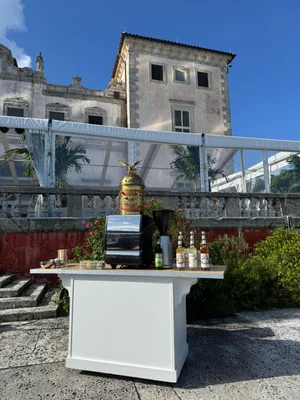
A cold brew bar is a station that pours chilled, slow-steeped coffee and iced drinks for your guests, served either self-serve or by a barista. In Miami's summer heat, it does real work: it keeps people comfortable, gives them something to gather around, and photographs beautifully at weddings, conferences, and company parties. This guide walks through where to place the station, how to build the menu, and how to keep every drink cold through a humid South Florida afternoon.
Cold brew bar Miami planning starts with one fact the weather makes obvious. Guests at an outdoor event here are not just in the mood for a cold drink; they need one. The rest of the setup, from dispensers to syrups to ice strategy, follows from that.
Why Cold Brew Belongs at Every South Florida Summer Event
Miami summers are hot enough that cold drinks become a comfort requirement, not a nice extra. In summer 2026, the city recorded 83 days at or above 90 degrees Fahrenheit, compared with 64 days in a normal year, and daytime temperatures ran about 1.9 degrees above the 30-year average (WLRN, 2026). Against that backdrop, hot coffee service empties out while a cold brew line stays busy.
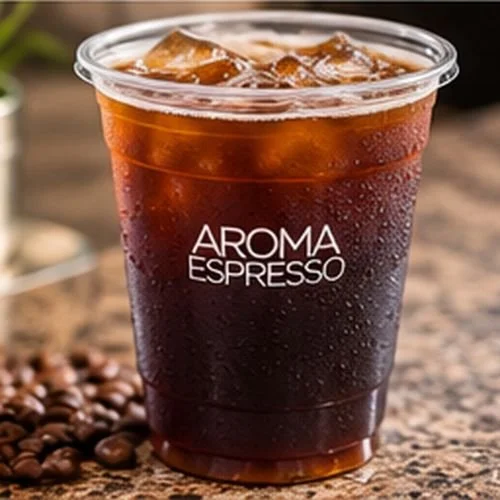
Cold brew also travels well. Steeped slowly in cold water, it is smooth, lower in bitterness, and holds its flavor on ice far better than drip coffee poured over cubes. That makes it a natural fit for outdoor venues where a drink might sit in a guest's hand for a while. Demand backs this up: iced and cold coffee formats have grown into a large and rising share of what Americans drink, and cold brew leads that cold category. For a planner, that means a cold brew bar lands as a familiar, on-trend choice rather than a gamble.
There is an experience angle too. A dedicated bar gives guests a reason to move, mingle, and come back for a refill. At a wedding cocktail hour or a conference break, that small ritual keeps energy up during the hottest stretch of the day.
How Do You Build a Self-Serve or Barista-Tended Cold Brew Station?
The right build depends on the event. A self-serve station uses insulated dispensers, a toppings caddy, and clear signage so guests pour their own. A barista-tended bar adds a trained server, a nitro tap or batch system, and custom drink-making. Both can anchor a corner of the venue or run as a full mobile coffee bar.
Self-serve works well for corporate breaks, casual receptions, and morning conference sessions where speed matters more than customization. Set up two or three dispensers so a line never forms behind a single tap. Keep cups, ice, milks, and syrups within arm's reach of the spouts, and post a short menu card so guests know their options at a glance.
A barista-tended bar suits weddings, galas, and client-facing conferences. Here, presentation carries weight. A server can pour nitro cold brew to order, build layered iced lattes, and handle special requests, which turns the station into a small show. This is the model Aroma Espresso runs for South Florida events, bringing the equipment, the cold storage, and a trained barista to the venue so the host does not manage any of it.
Whichever you choose, size the station to your headcount. Plan for most guests at a summer event to take at least one drink, and more over a long reception. A professional caterer will batch enough cold brew in advance and keep a chilled reserve on hand to refill throughout the event.
Flavor Syrups, Milks, and Toppings Guests Love
A short, well-chosen menu beats an overwhelming one. Offer two or three syrups, a few milk options, and a handful of toppings so guests can customize quickly without slowing the line. Variety should speed up the experience, not stall it.
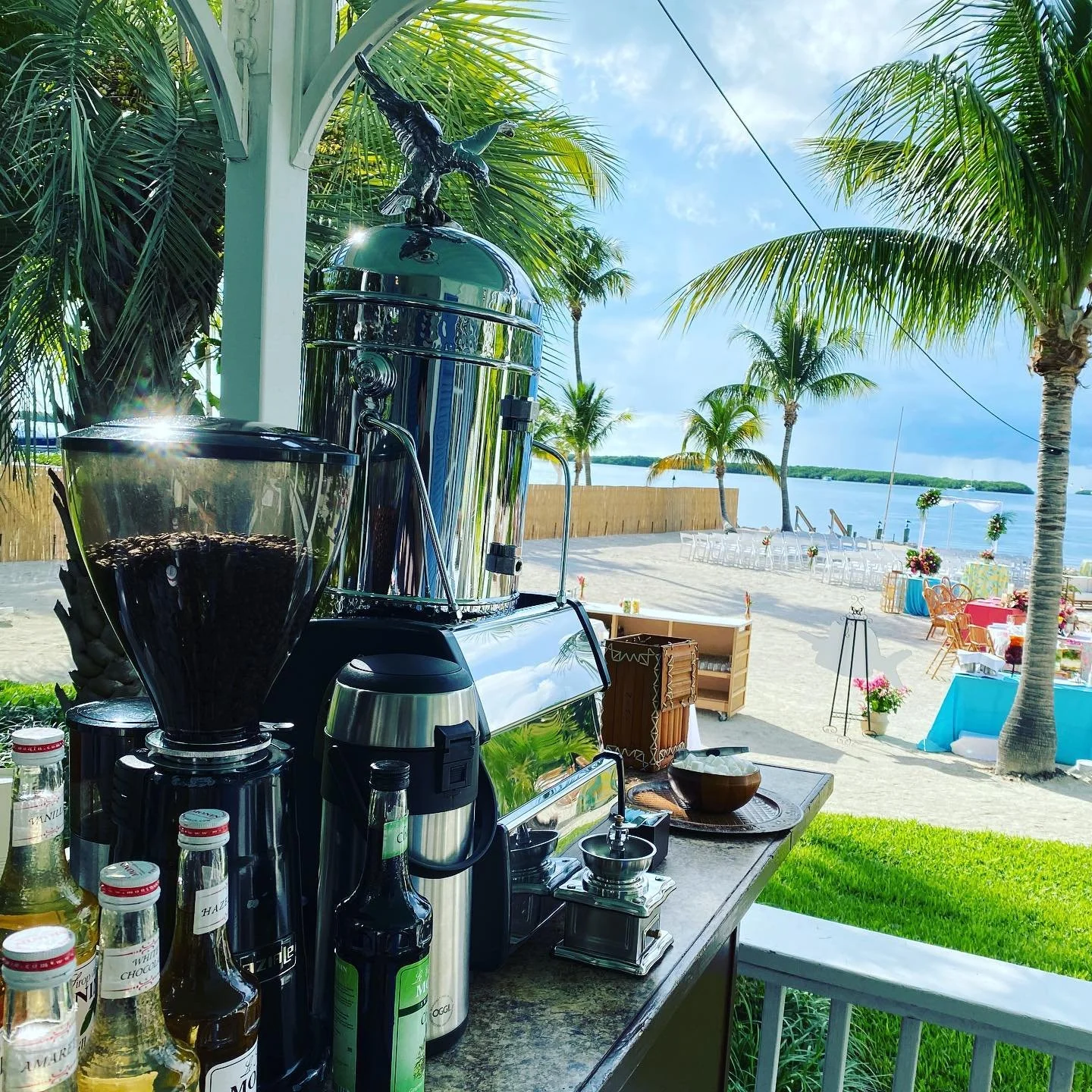
Start with syrups that cover the common tastes:
Vanilla, the safe crowd-pleaser most guests reach for first.
Caramel, for anyone who wants a dessert-leaning drink.
A seasonal South Florida option such as coconut, cinnamon, or dulce de leche to give the menu local character.
For milks, offer whole milk, a barista oat milk, and one more plant option such as almond or coconut. Oat milk froths and blends cleanly in cold drinks, so it tends to disappear fastest at warm-weather events. Keep each in its own labeled pitcher on ice.
Toppings turn a simple pour into something guests remember. Cold foam, a dusting of cinnamon or cocoa, and chocolate shavings all hold up in the heat better than whipped cream, which melts quickly outdoors. Set these in a shaded caddy and refresh them often so nothing sits out and warms.
How Do You Keep Drinks Cold Through a Humid Miami Afternoon?
Cold holding is the part planners underestimate most. The FDA advises keeping cold perishable items at 40 degrees Fahrenheit or below, and warns that food and drink should never sit in the "Danger Zone" between 40 and 140 degrees for more than two hours, or one hour when the outdoor temperature is above 90 degrees (FDA). In a Miami summer, that one-hour window is the rule you plan around.
A few practices keep drinks safely cold and tasting fresh:
Use insulated, double-walled dispensers rather than open pitchers, so the batch holds temperature between refills.
Build the base cold. Steep and store cold brew chilled, then serve over plenty of fresh ice rather than cooling a warm batch at the station.
Keep a chilled reserve in coolers behind the bar and swap batches on a timed schedule instead of topping off a warming container.
Pre-chill cups where you can, and offer insulated or double-wall cups so a drink survives the walk back to a guest's seat.
Milks and dairy-based toppings need the same discipline. Hold them on ice, keep portions small, and replace them from cold storage rather than letting a large pitcher sit out. A caterer that works South Florida events builds this rotation into the service plan, which is one reason outsourcing the bar removes a real food-safety headache for the host.
Pairing Cold Brew With Iced Treats
Cold brew pairs naturally with frozen and iced desserts, and the combination fits the Miami climate perfectly. Think affogato-style pours of cold brew over ice cream or sorbet, cold brew floats, and coffee granita cups served alongside the drink station. These give guests a dessert-and-coffee moment in one stop.
For weddings and milestone celebrations, a small affogato station next to the cold brew bar reads as an upgrade without much added complexity. A scoop of vanilla gelato or a tropical sorbet such as mango or coconut, topped with a shot of concentrated cold brew, turns coffee service into a dessert course. Guests can build it themselves at a self-serve setup or have a barista assemble it.
Lighter pairings work too. Biscotti, shortbread, or chocolate-dipped treats sit well next to iced coffee and hold up better than cream-based desserts in the heat. Keep anything that can melt in a shaded, chilled spot, and plan these treats for the cooler parts of the event timeline when you can.
Setting Up a Cold Brew Bar at Poolside and Beachside Venues
Waterfront venues bring their own challenges: direct sun, breeze-blown sand, and no easy power. A successful poolside or beachside cold brew bar starts with shade and a stable, level surface, then backs that up with extra cold storage because open-air heat warms drinks quickly.
A few location-specific tips:
Place the bar under a tent, umbrella, or covered cabana so sun does not heat the dispensers or the toppings caddy.
Set up on a solid surface. On sand, use a platform or sturdy table so dispensers stay level and cups do not tip.
Keep a shaded reserve of ice and chilled batches close by, since the one-hour cold-holding window shrinks fast in full sun.
Weigh down menu cards, napkins, and lightweight items so a sea breeze does not scatter them.
Confirm power and water access early. A mobile setup that runs on battery or needs no power, like the ones built for South Florida venues, avoids last-minute surprises at remote sites.
Beachside events also reward simple, mess-free service. Pre-portioned syrups, lidded cups, and a short menu keep sand and spills out of the mix. The goal is a station guests can use quickly and a team that can break it down without leaving a trace.
Planning Your Miami Cold Brew Bar
The fastest way to lock in a cold brew bar that survives a Miami afternoon is to match the station type to your event, keep the menu short, and build the cold-holding plan around that one-hour outdoor rule. Decide first whether self-serve or a barista-tended bar fits your crowd, then size the batches and ice reserve to your headcount and timeline.
If you would rather hand off the logistics, map out your guest count, venue type, and timeline, then reach out to a South Florida mobile coffee caterer such as Aroma Espresso to spec the right setup. Bringing in a team that handles the equipment, cold storage, and food-safe service lets you focus on the event while guests stay cool with a fresh cold brew in hand.
Frequently asked questions
What is a cold brew bar for a Miami event?
It is a self-serve or barista-tended station that pours cold brew and iced coffee drinks for guests. It typically offers a few flavor syrups, milk choices, and toppings, with ice and cold storage sized for the heat.
How much cold brew do I need for iced coffee catering?
Plan for most guests to take at least one serving at an outdoor summer event, and more at longer gatherings. A caterer like Aroma Espresso sizes batches to headcount and refills throughout the event so drinks stay fresh and cold.
How do you keep cold brew cold at an outdoor Miami event?
Use insulated dispensers, plenty of ice, and shaded placement. The FDA advises that cold drinks held where temperatures top 90 degrees should not sit out more than one hour, so refresh batches from a chilled reserve on a timed schedule.
Self-serve or barista-tended cold brew bar: which is better?
Self-serve suits casual and corporate break setups where speed matters. A barista-tended bar fits weddings and conferences where guests want custom drinks, nitro pours, and a polished presentation.
What flavors work best at a cold brew bar?
Vanilla, caramel, and a seasonal option such as coconut or cinnamon cover most tastes. Add two or three milk choices and a few toppings so guests can customize without creating a long, slow line.